
For years, learning lived in the background, separate from top-line business strategy. Then, with the AI surge, the rules of business changed.
Most companies have always treated (and still treat) learning and development as a support function. Something HR owns, employees participate in when required, and where success is measured by completion rates.
But in today’s world, capability building to keep pace with transformation isn’t optional.
To address this need, Pernod Ricard decided to do something different. The company made learning the engine of its business transformation, and in the process, turned skill data into one of its most valuable strategic assets.
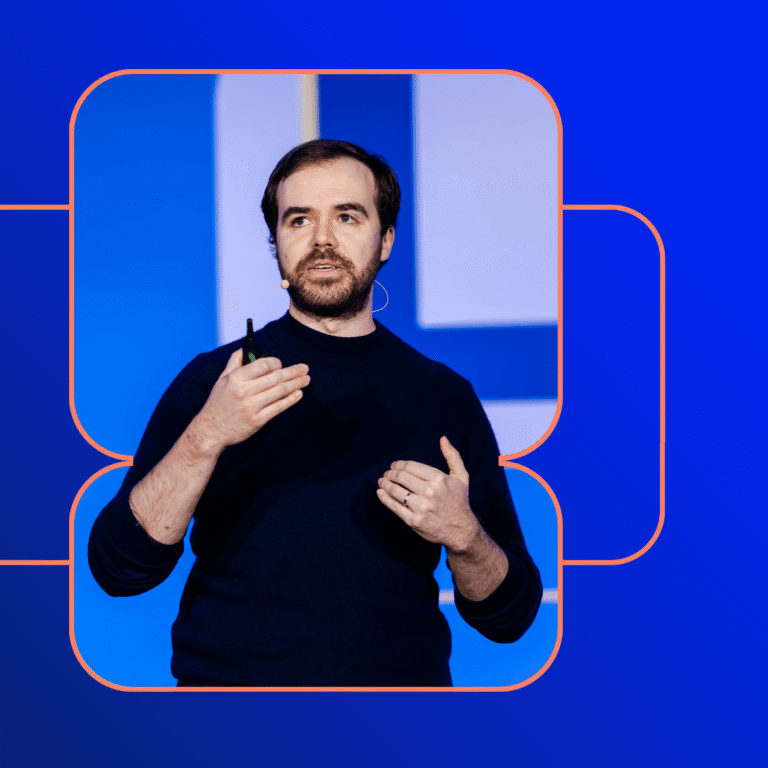
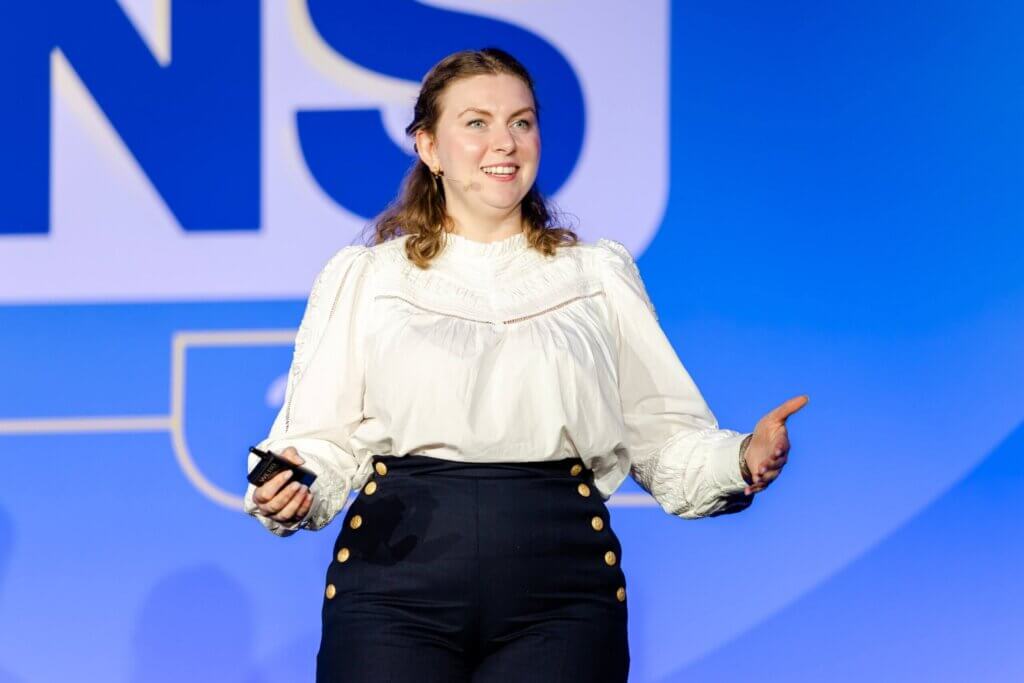
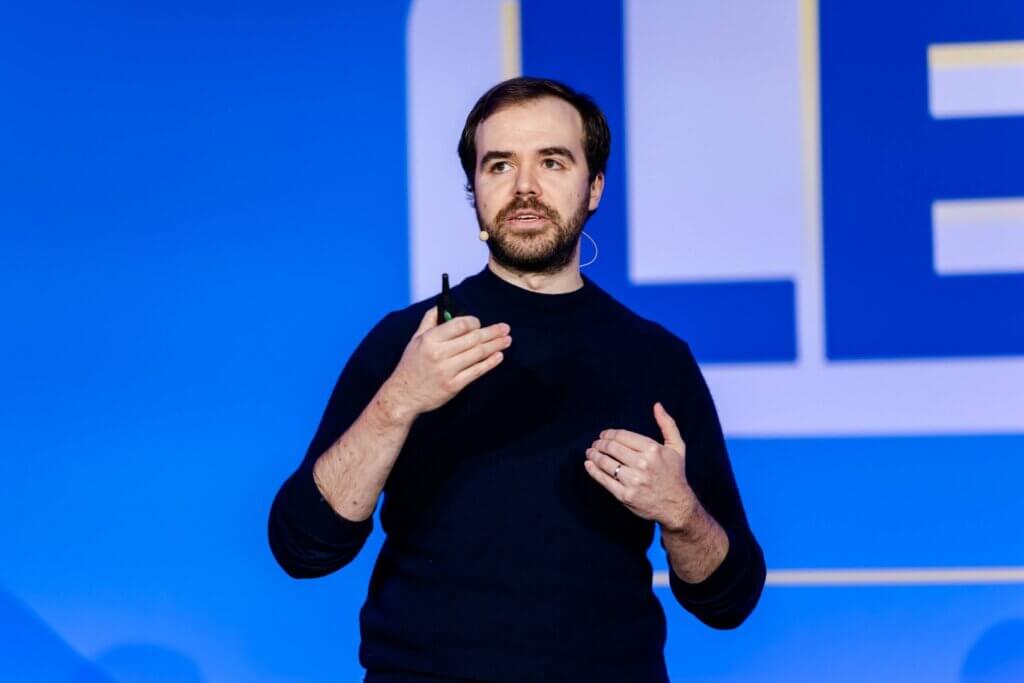
At Degreed LENS, Louis Bosche, Head of HR Tech, and Anna Gosteva, Product Owner for Learning and Engagement Solutions, shared how Pernod Ricard built a skills-first ecosystem that now shapes decisions far beyond the L&D function, from talent acquisition and internal mobility to workforce planning and business strategy.
An Urgent Case for Workforce Transformation
The pressures Pernod Ricard, with its global market of 150 brands (including Jameson, Chivas, Ballantine’s, and Absolut) faced real and accelerating pressures. Consumer expectations in core markets were shifting rapidly, requiring marketing, sales, and product teams to work in fundamentally new ways. Inflation and regulatory changes were reshaping operations globally. Supply chain resilience had become a strategic priority. And the economics of running a global enterprise demanded greater cost efficiency across the board.
More than ever, the Pernod Ricard team’s ability to compete depended directly on having the right capabilities in the right places at the right time.
« Our business is changing and it’s changing all the time, » Bosche said. « We need to bring change to our employees fast. We need to understand where they stand and what maturity they have to bring them towards the future. »
The urgency felt at Pernod Ricard mirrors the situation in nearly every organization today. Research shows 44% of workforce skills are expected to change by 2027 and organizations are out of time to mobilize to this reality.
There were also compelling internal reasons to make a change. When surveyed, 95% of Pernod Ricard employees said they would stay longer at a company that invested in their professional development, drawing a direct line between learning investment and retention outcomes. Learning was critical for the employees, too.
At the same time, their previous learning system was in dire need of updating. There were many duplicative platforms and redundant tools leading to excessive cost. The ecosystem was so fragmented that it could hardly be called an ecosystem.
The question wasn’t whether to act. It was how.
Skills Became Pernod Ricard’s Common Language
Rather than launching another learning program, Pernod Ricard built a foundation for skills. The team deployed a skills catalog across approximately 900 job roles, mapping roughly 20 skills per profile and integrating those directly with Workday, their global HRIS.
The goal was clear: Make skills the shared language that connects individual development to business outcomes.
To do that, they built a technical architecture that would optimize content management and tools, while unifying skill data across systems.
Employees could declare their skills, identify career opportunities, join skill-based mentoring programs, and apply for internal “gigs,” or short-term assignments that let people build new capabilities while contributing to different parts of the business. Since launch, more than 70% of employees have declared 15 or more skills in Workday, including operational populations that had historically been harder to reach.
The company also made an early decision that shaped everything that followed: Skill data would be used for development and opportunity, but never for performance evaluation or compensation decisions.
That choice built trust, and trust drove adoption at scale.
Aligning Skills and Systems to Corporate Strategy
When Pernod Ricard launched its learning hub, powered by Degreed, it didn’t just solve a technology problem. It created direct alignment between learning investment and corporate strategy.
The most tangible expression of that alignment? Five org-prioritized, transversal leadership skills the company identified as critical for every employee, regardless of function or level. These aren’t generic professional development topics. They reflect exactly where Pernod Ricard needs to build enterprise-wide capability to execute its business strategy:
- Business acumen
- Generative AI (Gen AI)
- Lifelong learning
- Change management
- Inclusive practices
« We can use the skilling initiative as fuel for business growth, » Gosteva said. « We started to think about how, through our upskilling initiative, we can drive business transformation and reach our business objectives. »
The newly integrated ecosystem reinforced this. By decommissioning multiple local platforms and replacing them with Degreed, Pernod Ricard saved €600,000. Now, Degreed acts as the one-stop shop, where employees access development tied directly to their skills profile and progression.
This also created a vastly improved learning experience and seamless data ecosystem. Skill assessments flow bidirectionally between Degreed and Workday, so that when an employee demonstrates proficiency, that data updates in real time and becomes available for talent decisions across the organization.
The company also committed to one hour of learning per week for every employee, twice the industry benchmark, which is backed by leadership and embedded into the company’s governance and ways of working.
Skill Data as a Strategic Business Asset
Perhaps the most significant shift Pernod Ricard achieved wasn’t in learning engagement. It was in the adoption and application of skill data.
« Our CIO, our CHRO, and all business leaders are asking us: When can I access skill data for my employees? » Bosche said. « Can I know who has what skills, where, what the proficiency is, what the gaps are? Because they know that these would be super interesting insights to understand.”
This is an outcome that truly demonstrates the value of an enterprise learning investment.
When skills intelligence can move out of the L&D dashboard and into the hands of business leaders, it becomes a tool for workforce planning, internal hiring, and organizational design.
Pernod Ricard is using skills proficiency data to identify capability gaps at the geographic level, target learning investments more precisely through skill heat maps, and support recruitment with AI-powered skill matching, thereby reducing reliance on external hiring for roles that internal talent can be developed to fill.
The learning hub also gives L&D leaders something they’ve historically lacked: a data-driven view of where to invest. Skill supply and progression data now informs content purchasing decisions, upskilling program design, and functional academy development.
« Skills is not only an HR topic, » Bosche said. « It’s a business topic. »
Making Your Organization Skills-First
Pernod Ricard’s approach offers a clear blueprint for any enterprise looking to move beyond learning engagement metrics and toward meaningful business outcomes.
- Start with a skills architecture that the whole business can use.
- Connect that architecture directly to business priorities, the way Pernod Ricard’s five transversal skills connect to corporate strategy.
- Build an integrated ecosystem where skill data flows across systems and informs decisions at every level.
- Give business leaders, not just HR, access to the intelligence that the ecosystem generates.
These steps add up to measurable business impact. That’s the real promise of a skills-first culture. Not better completion rates. Better business outcomes.

Restons en contact
Je souhaite m’inscrire à la newsletter mensuelle pour me tenir informé(e) des prochains événements, bénéficier d’éclairages exclusifs et recevoir l’actualité des solutions Degreed.